
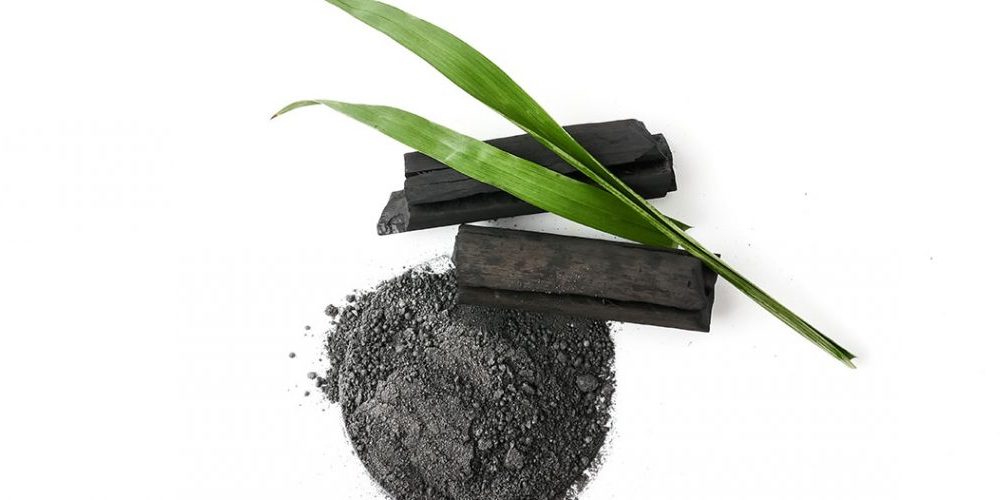
Activated Carbon filter for air purifiers and negative ion generators is an important filtration method to deal with smoke, smells and odors for indoor use. The Activated Carbon filter is widely popular with negative ionizers and air purifier, as this air filter is on eof the most effective solutions to adsorb and remove the smoke and odors, so you can enjoy the clean fresh air for your home.
Today, the Activated Carbon filter never goes as a standalone air filter in the negtive ion generators and air purifiers. It must combine with other air filters to remove the tiny microscopic airborne particles. The common air purifiers will have a 3-stage air cleaning system, with one pre-filter, one Activated Carbon filter and one True HEPA filter. Most of these products are sold at our store
At Alpha Ionic, we understand all of indoor air quality and air purifier concerns and interests. We know that you need the best negative ion generator to improve your quality of your health and wellbeing. We are the experts in the field of ionizers, but more than that, we are just like you, a human. We also have serious problems with airborne allergies and asthma, and we know your struggle to learn the negative ionizer, and put an end to your misery. Today, you will know everything about the Activated Carbon filter in our in-depth guide.
If you have concerned about other air filter types as well, we hope that the below guides can help you.
1. True HEPA filter.
2. Ionizer.
3. UV-C light filter.
4. PlasmaWave.
I hope you are ready to know more about the Activated Carbon filter. Learn more below.
SO WHAT IS ACTIVATED CARBON FILTER?
Activated Carbon filter, or charcoal filter, is a bed of activated carbon typically in granular or powdered block form, and consists of millions of tiny absorbent pores. This air filter has been treated to be extremely porous, and this is the popular filtration against gases, chemicals and Volatile Organic Compounds (VOCs). However, the Activated Carbon filter can’t remove fine particles like dust, dust mites, pet dander or pollen from the air.
The Activated Carbon filter is originally called HEGA (High Efficiency Gas Absorption) filter, and first being used by the British Army in the chemical warfare. It removes the gas molecules through a process of adsorption (not absorption). During adsorption, the pollutants stick to the outside of the Activated Carbon filter.
In air purifiers, the Activated Carbon filter is mostly used in conjunction with the HEPA filter to capture the other tiny particles as well, like dust, lint, mold spores, pet dander and pollen. You will find in the high-quality Activated Carbon filter to have potassium permanganate or potassium iodide to remove the chemicals, formaldehyde and wildfire smoke much better.
HOW LONG DOES ACTIVATED CARBON LAST?
The Activated Carbon filter is a very important air filter in all the air purifier systems, but it can only last for a short time. Typical Activated carbon filter (or Charcoal filter) can only last between two and four weeks, then you need to vacuum or clean the air filter before using it again. The Activated Carbon filter needs to be changed every few month to be efficient. This is because of the adsorption process that increasingly fill up the pollutants inside the activated carbon bed. Once the bed is saturated, the filter can no longer be capable of taking in pollutants more.
Can Activated Carbon be reused? The simple answer is yes, because of the porous nature of activated carbon, this air filter can be recycled by baking out the odors of it, then you can reuse the air filter completely. However, you can only reuse the Activated Carbon filter two to the maximum of three times, then you must replace the carbon filter so it can work against the smoke, odors and chemicals.
If your Activated Carbon filter is not specifically labelled as washable, then you can’t wash your carbon filters without damaging them. Otherwise, you can wash it, but you need to know How to clean the air filter.
List of best negative ion generators in 2019
- 1. Best Negative Ion Generator list (2019 version)
- 2. Best Negative Ion Generators for Allergies and Asthma
- 3. Best Negative Ion Generators for Bedroom
- 4. Best Negative Ion Generators for Smoke
- 5. Best Negative Ion Generators for Dust
- 6. Best Negative Ion Generators for Mold
- 7. Best Large Room Negative Ion Generators
PROS & CONS OF ACTIVATED CARBON FILTER
We have learned everything about the Activated Carbon filter, but you still don’t know if this air filter is flawless or notBelow arees the pros/cons of the Activated Carbon filter.
PROS
- Can be reused
- The only air filter to remove chemicals, gases, odors and smells from pets, cooking, smoke, paints and cleaning supplies
CONS
- Needs other air filters
- Needs to be changed frequently